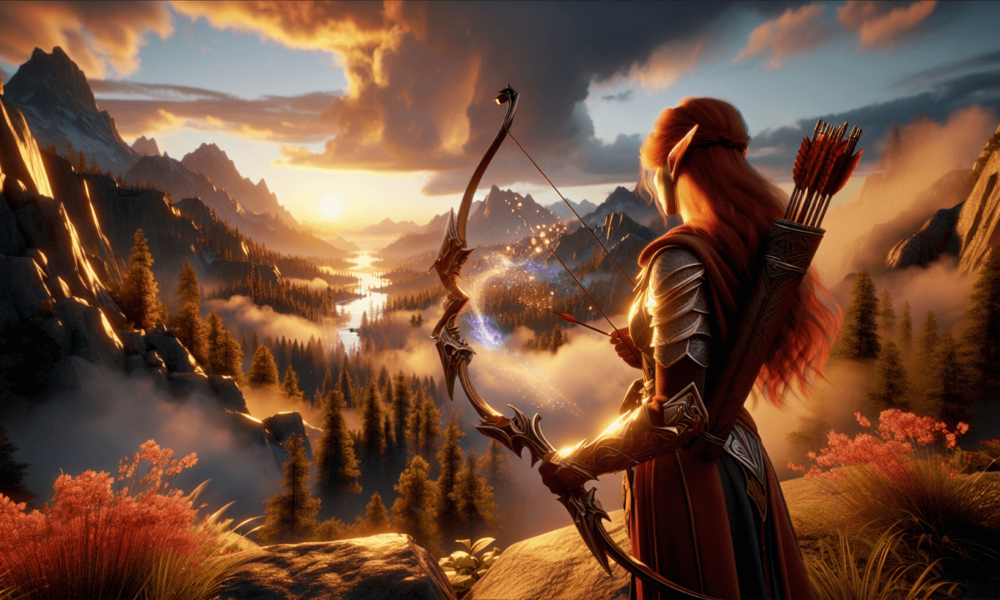
The Irresistible Hook: Decoding the First Impression Of A New Video Game
In the vast, ever-expanding universe of video games, capturing a player's attention is an art form. Before a single button is pressed or a quest is accepted, a game has mere seconds to make its case. While the dazzling allure of cutting-edge visuals or a distinctive art style often takes center stage—and rightly so—a truly strong First Impression Of A New Video Game extends far beyond mere graphics. It's a complex tapestry woven from immediate visual appeal, intuitive mechanics, compelling introductions, and a palpable sense of purpose that beckons players to dive deeper. It's the moment a potential fan decides: "This is for me."
The Allure of the Aesthetic: Why Visuals Still Reign Supreme (Initially)
Let's be clear: visual style is undeniably the first line of engagement. In a crowded digital marketplace, a game's aesthetic is its loudest whisper, its most vibrant shout. Whether it's the gritty realism of a AAA shooter, the charming simplicity of pixel art, or the whimsical charm of a hand-drawn indie title, the visual presentation is often the deciding factor in whether a potential player stops scrolling. From tantalizing screenshots on a storefront to dynamic trailers and captivating thumbnails, the art style does the heavy lifting in convincing someone to click, wishlist, or purchase.
For game studios, publishers, and art outsourcing firms, mastering video game art styles isn't just about creative expression; it's a strategic imperative. The right visual direction can significantly lower player acquisition costs, forge a distinctive brand identity, and even determine a game's cross-genre and regional success. It sets expectations, hinting at the game's tone, genre, and overall experience before a player ever interacts with the gameplay. A moody, dark aesthetic might suggest a challenging horror game, while vibrant, cartoonish visuals could imply a lighthearted adventure. This initial visual contract is crucial, as it lays the groundwork for what players expect when they finally press "Play." It's the crucial initial step in forming a lasting First Impression Of A New Video Game, but it's only the beginning.
Beyond the Eye-Candy: The Critical First Hours of Gameplay
Once the visuals have successfully drawn a player in, the true test begins: the actual gameplay experience. This is where "beyond graphics" truly comes into play. The first few hours of a new game are akin to a delicate dance, where the developer must simultaneously teach, engage, and entice. It's no longer just about looking good; it's about *feeling* good and *making sense*. This period is crucial for solidifying a positive First Impression Of A New Video Game, translating visual appeal into sustained immersion and enjoyment.
The Art of the Engaging Onboarding Experience
The game's introduction, often called the onboarding experience, is paramount. It's the player's first direct interaction with the world and its systems. A well-crafted intro should do more than just explain controls; it should immediately immerse the player in the game's atmosphere and hint at its core appeal. For instance, early experiences with games like New World highlighted common pitfalls: an "intro-ish" start that was too linear, too long, or uneventful. A lengthy, uneventful run to the first city, for example, can quickly dampen initial enthusiasm, leaving players wondering if the game truly respects their time or offers immediate gratification.
Conversely, an effective onboarding process strikes a balance. It provides just enough guidance to prevent confusion without being overly restrictive or turning into a tedious information dump. Players crave immediate agency and purpose. Introducing basic mechanics through engaging mini-quests, interactive environmental puzzles, or a compelling narrative hook can make all the difference. The goal is to drip-feed information organically, allowing players to discover and experiment rather than merely follow instructions. This immediate sense of engagement and accomplishment is vital for a strong First Impression Of A New Video Game.
Mechanics That Matter: Combat, Crafting, and Core Loops
Once the initial tutorial phase gives way to the open world, how the game's core mechanics are introduced and integrated becomes critical. Players need to quickly grasp the fun and purpose of combat, crafting, exploration, and progression systems.
- Combat: Is it intuitive? Does it feel impactful and responsive? While simplicity can be a strength, as seen in New World's action-combat with basic attacks, blocks, and dodges, it also runs the risk of feeling "thin" over extended play if not complemented by deeper systems or satisfying progression. Limitations, such as shared cooldowns across different weapon abilities, can frustrate players expecting more dynamic combat options early on. The initial combat encounters must convey both the basic functionality and the potential for mastery.
- Crafting and Progression: Many modern MMOs and RPGs lean heavily on intricate crafting and resource gathering. However, the importance of these systems is often poorly communicated in-game. If a game's "best gear" primarily comes from crafting, but players only learn this through external sources like YouTube or community forums, the game has failed to make a critical First Impression Of A New Video Game regarding its own core loop. Players need to understand *why* these systems matter and feel the immediate rewards of engaging with them, rather than perceiving them as a lengthy, unexplained grind.
- Factions and Choices: Role-playing games thrive on player choice and consequence. If early decisions, such as choosing a permanent faction, lack contextual meaning and are based merely on external factors (like server dominance or friends' choices), the game misses an opportunity to immerse the player in its lore and give weight to their early actions. Meaningful early choices contribute significantly to the player's investment.
- Exploration and World Interaction: A world that feels alive and interactive, where nearly every tree, bush, and rock can be harvested, as described in New World, can be incredibly satisfying. This level of environmental engagement immediately signals a rich, player-driven experience, fostering a sense of agency and discovery right from the start.
Pacing, Purpose, and Player Agency: Crafting a Lasting Connection
Ultimately, a strong First Impression Of A New Video Game is a symphony of interconnected elements. It's about the pacing of discovery and challenge, the clarity of purpose, and the degree of player agency. The initial hours should offer a compelling rhythm—moments of action interspersed with exploration, questing, and meaningful progression. Players need to feel a clear sense of purpose: understanding *why* they are doing things, *what* impact their actions have, and *how* they are progressing towards larger goals. Equally important is player agency, allowing players to make choices, explore at their own pace, and engage with systems that feel responsive and rewarding. This holistic approach ensures that the initial excitement generated by stunning visuals translates into genuine interest and long-term engagement.
Actionable Insights for Developers and Players
For developers, understanding the multifaceted nature of a strong First Impression Of A New Video Game means:
- Prioritize Initial Polish: While visuals grab attention, the first 30-60 minutes of gameplay must be exceptionally polished, bug-free, and engaging.
- Communicate Core Systems Clearly: Don't assume players will immediately grasp the importance of complex systems like crafting or faction choices. Integrate explanations organically into early gameplay.
- Respect Player Time: Avoid excessively long, uneventful intros or restrictive tutorials. Empower players to engage quickly and meaningfully.
- Test Early and Often: Gather feedback on the very first moments of gameplay from diverse player groups to identify friction points and areas for improvement.
For players, approaching a new game means:
- Look Beyond the Gloss: While visuals are important, pay attention to how quickly the gameplay hooks you. Does combat feel good? Do the systems make sense?
- Give it a Fair Chance: Some games have a slow burn, but a truly great first impression will offer enough compelling elements in the initial hours to keep you invested.
- Trust Your Gut: If the first few hours feel tedious, confusing, or unrewarding, it's often an indication of deeper issues.
Conclusion
The journey of a new video game, from concept to commercial success, hinges significantly on its ability to make a memorable First Impression Of A New Video Game. While striking visual aesthetics are crucial for stopping the scroll and piquing initial interest, the true measure of a game's opening act lies in its capacity to deliver a compelling, well-paced, and purposeful gameplay experience right from the get-go. It's the synergy of stunning art, intuitive mechanics, thoughtful onboarding, and meaningful player agency that transforms a fleeting glance into a lasting commitment, ensuring players don't just see your game, but truly *feel* it.